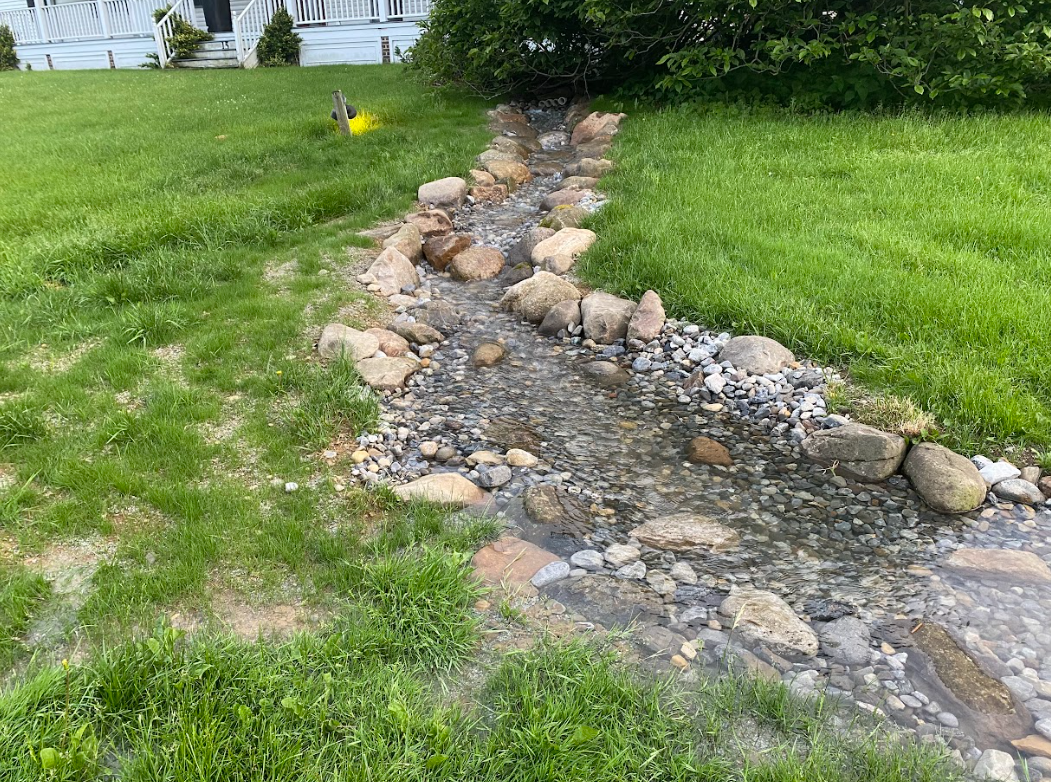
With an 18" snowstorm approaching and snow already on the ground, this winter is shaping up to be a textbook setup for serious spring drainage problems. When you combine deep snowpack, frozen ground, and heavy March–April rain events, the result can overwhelm many existing drainage systems—especially those that were never designed for extreme conditions.
That's why planning for the 100-year storm matters. Drainage systems shouldn't just handle an average rainfall; they need to manage worst-case scenarios where snow melt and heavy rain hit at the same time.
Why Snow + Rain Is So Dangerous in Spring
When the ground is frozen or already saturated, water can't infiltrate naturally. Instead, it rushes across the surface and into systems that may already be at capacity.
- Basement and crawl space flooding
- Driveway and apron washouts
- Severe lawn and slope erosion
- Mud, debris, and ice buildup on patios and walkways
- Increased pressure behind retaining walls
A single heavy melt event can undo years of landscape work if water isn't managed correctly.
Pipe Size & System Capacity Are Critical
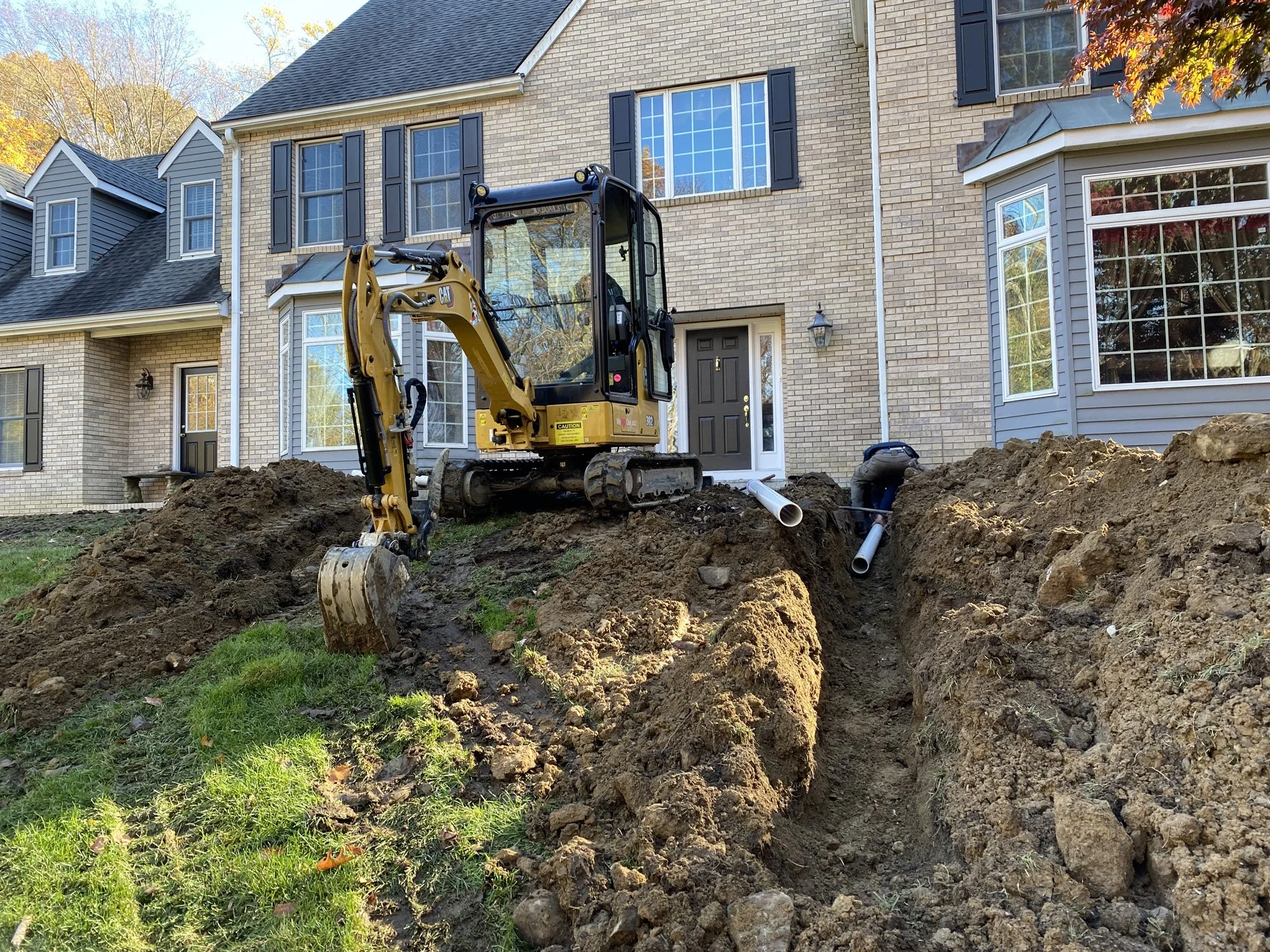
One of the most common issues we see is undersized drainage pipe. A system that performs fine during normal weather may completely fail during snow melt and prolonged rain.
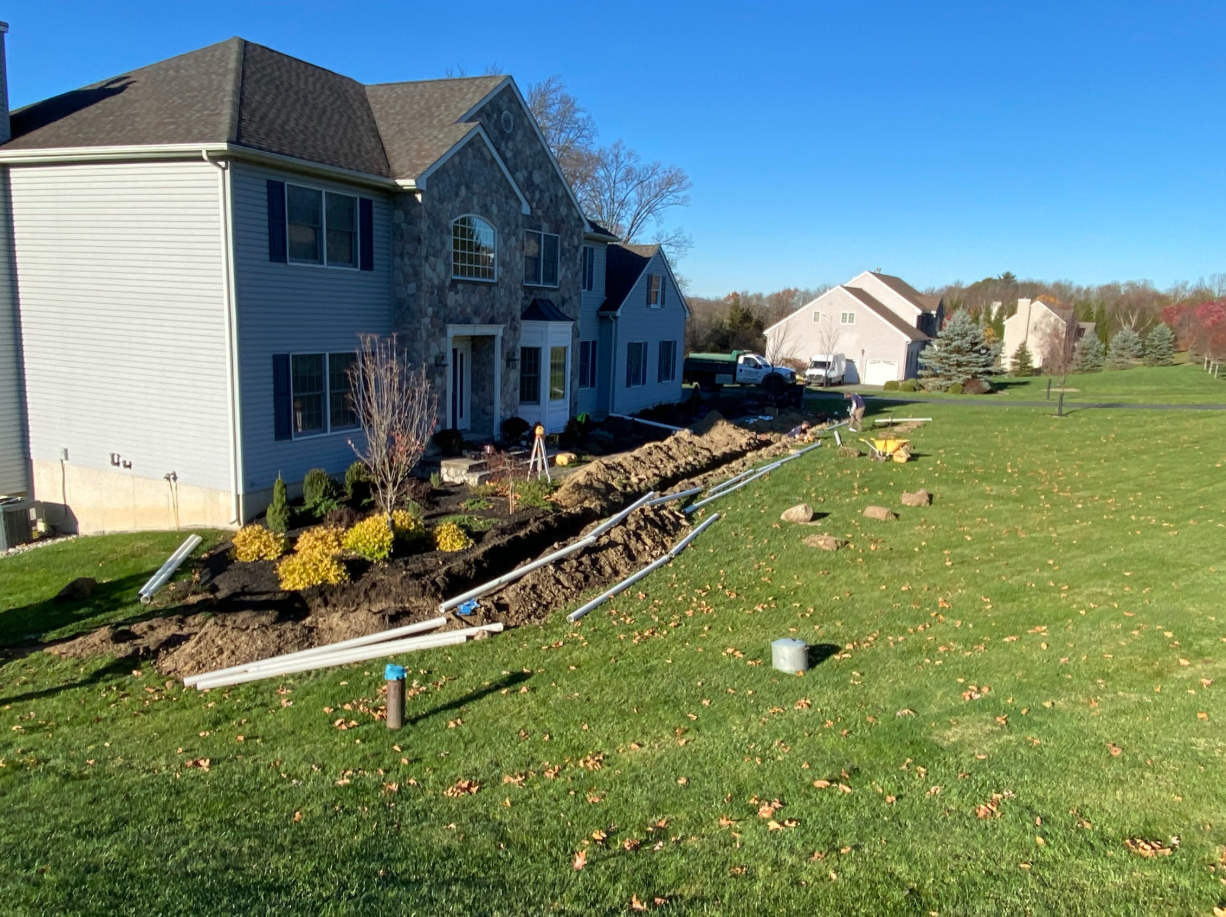
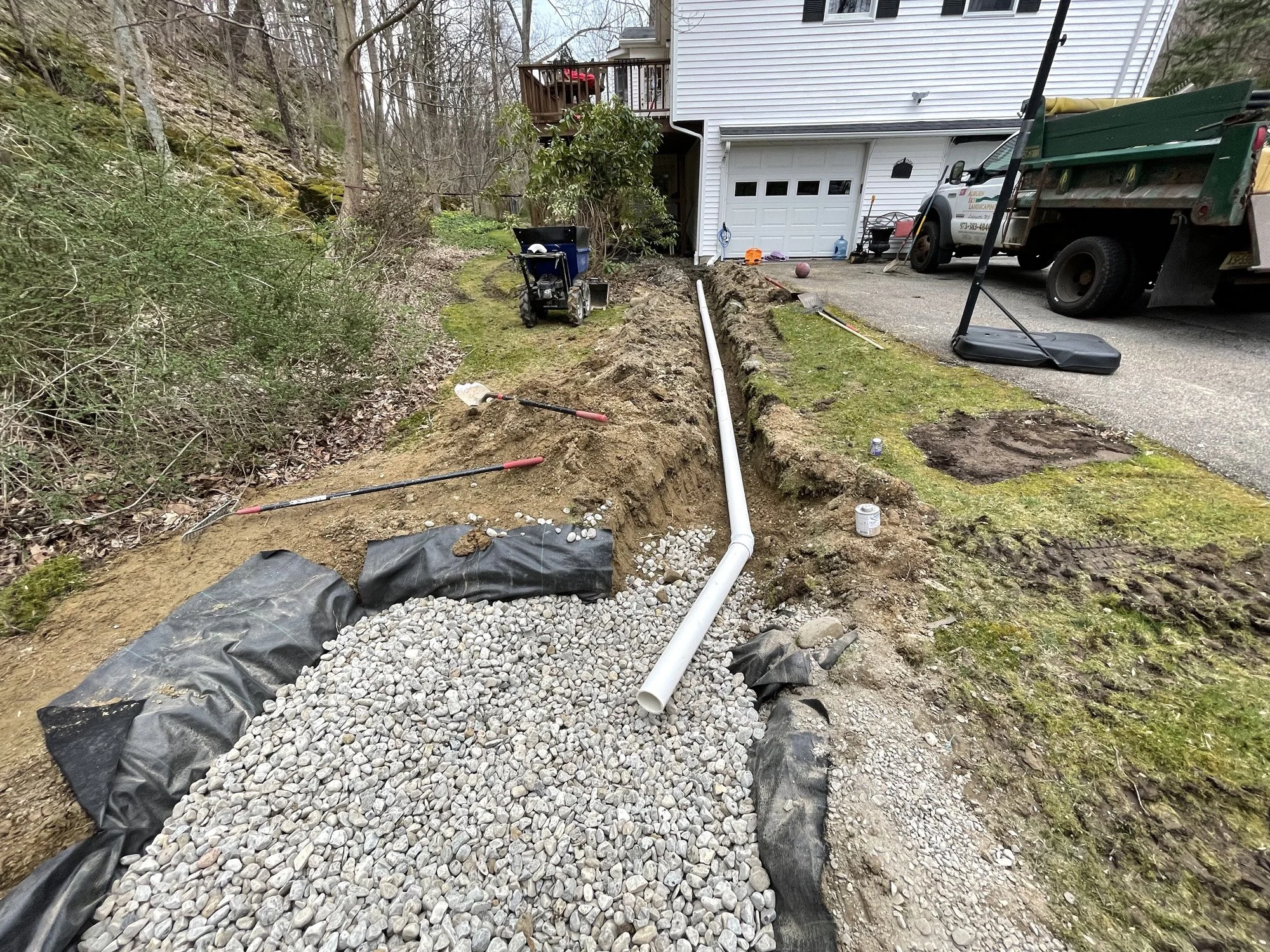
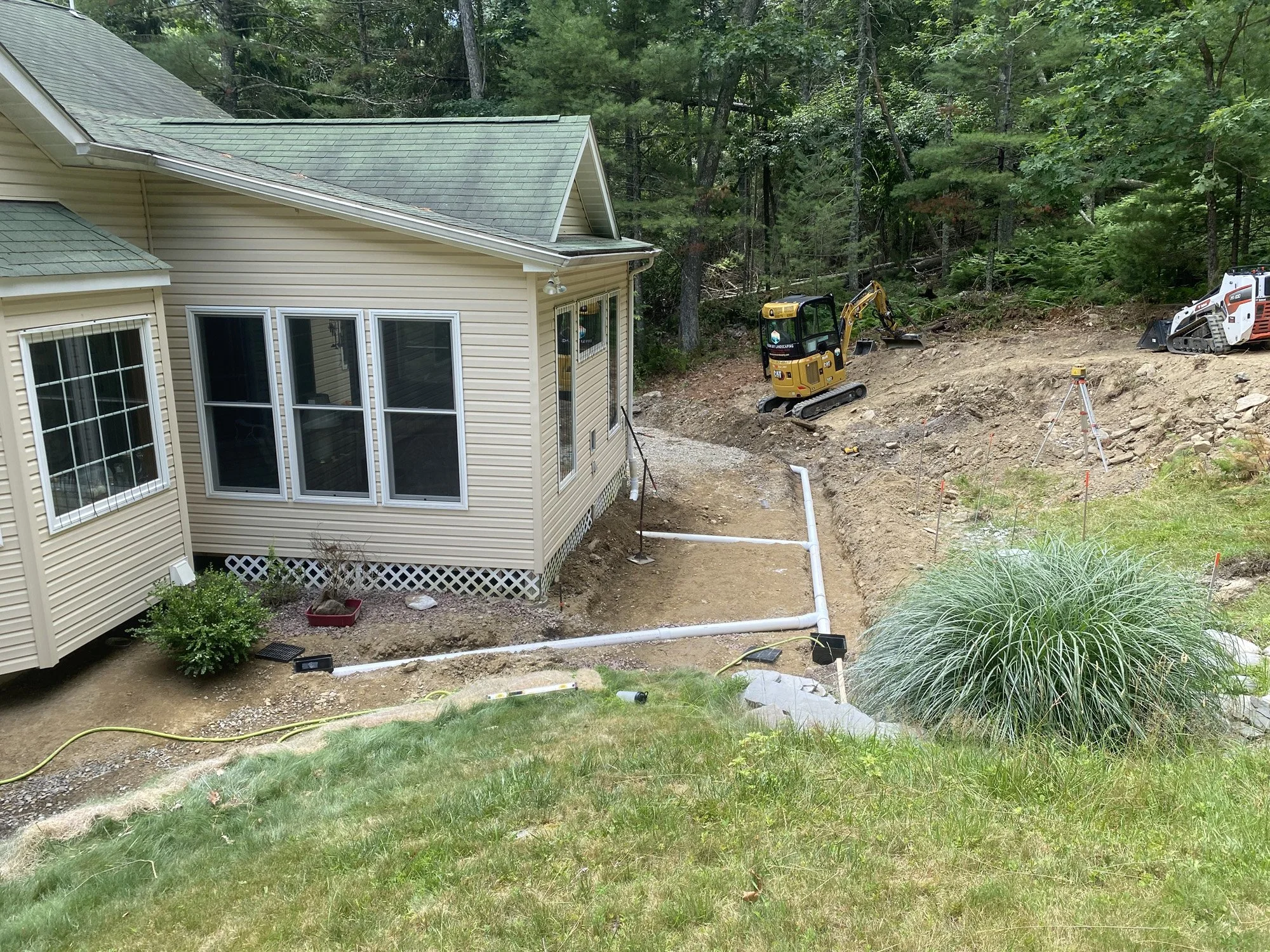
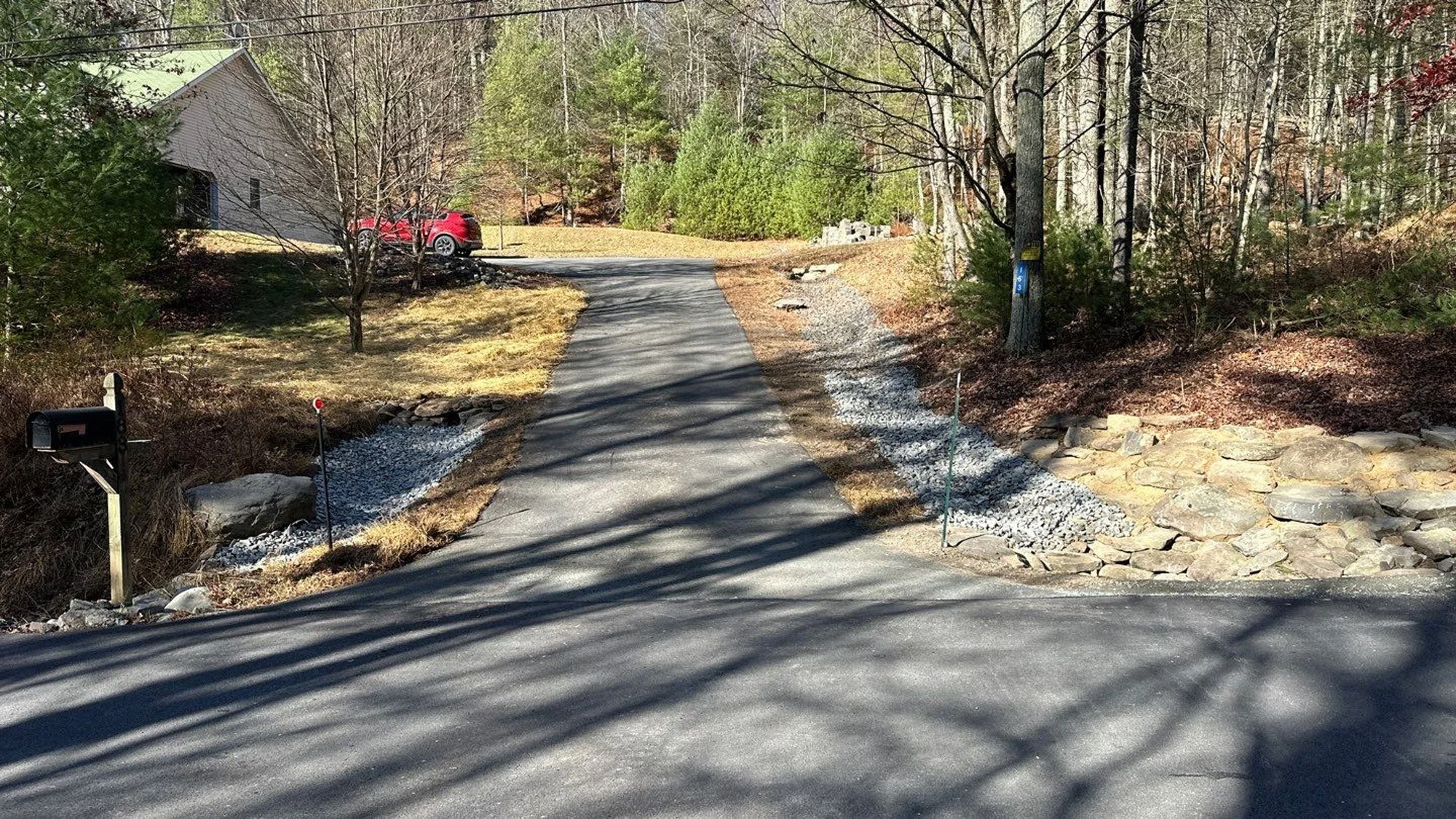
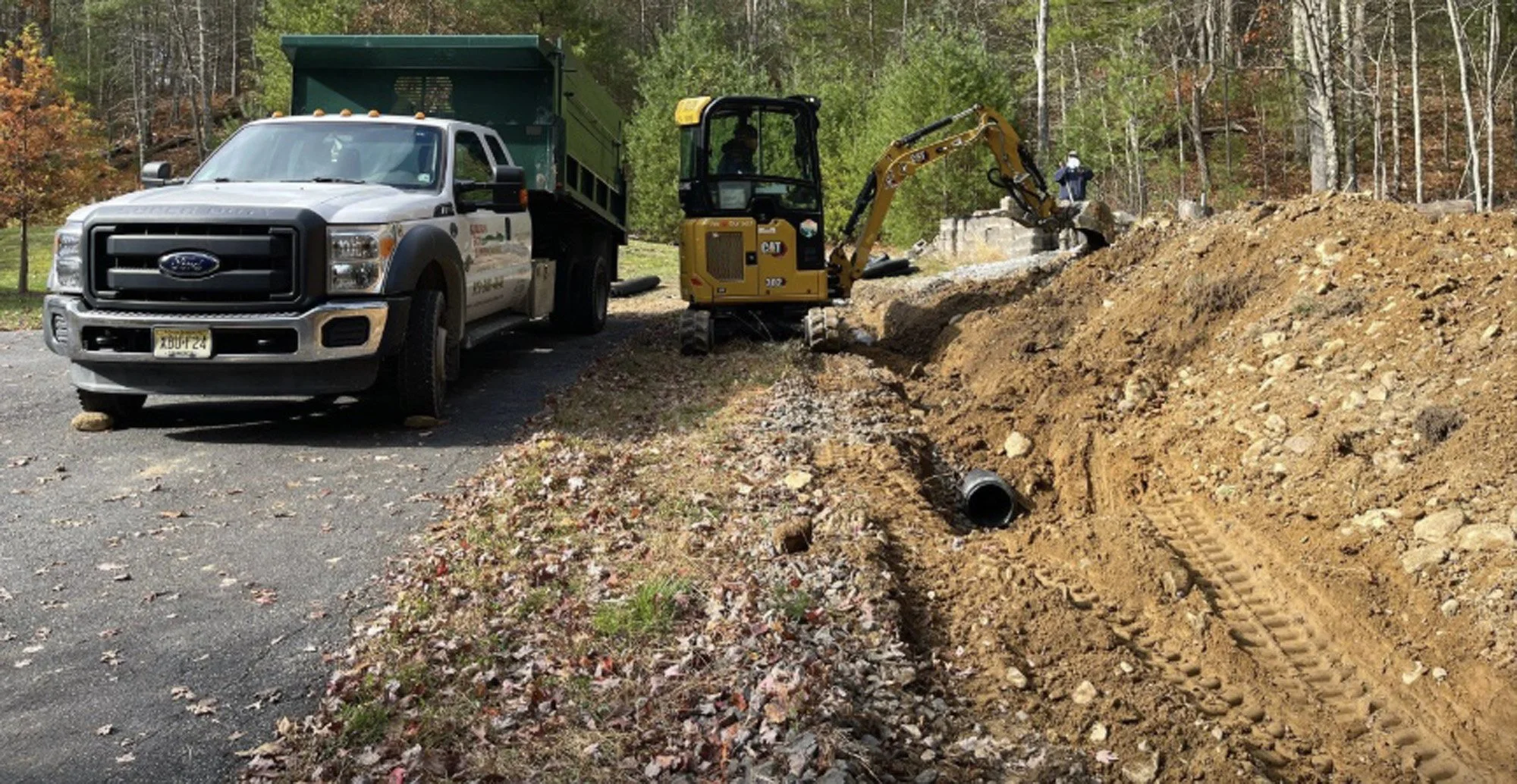
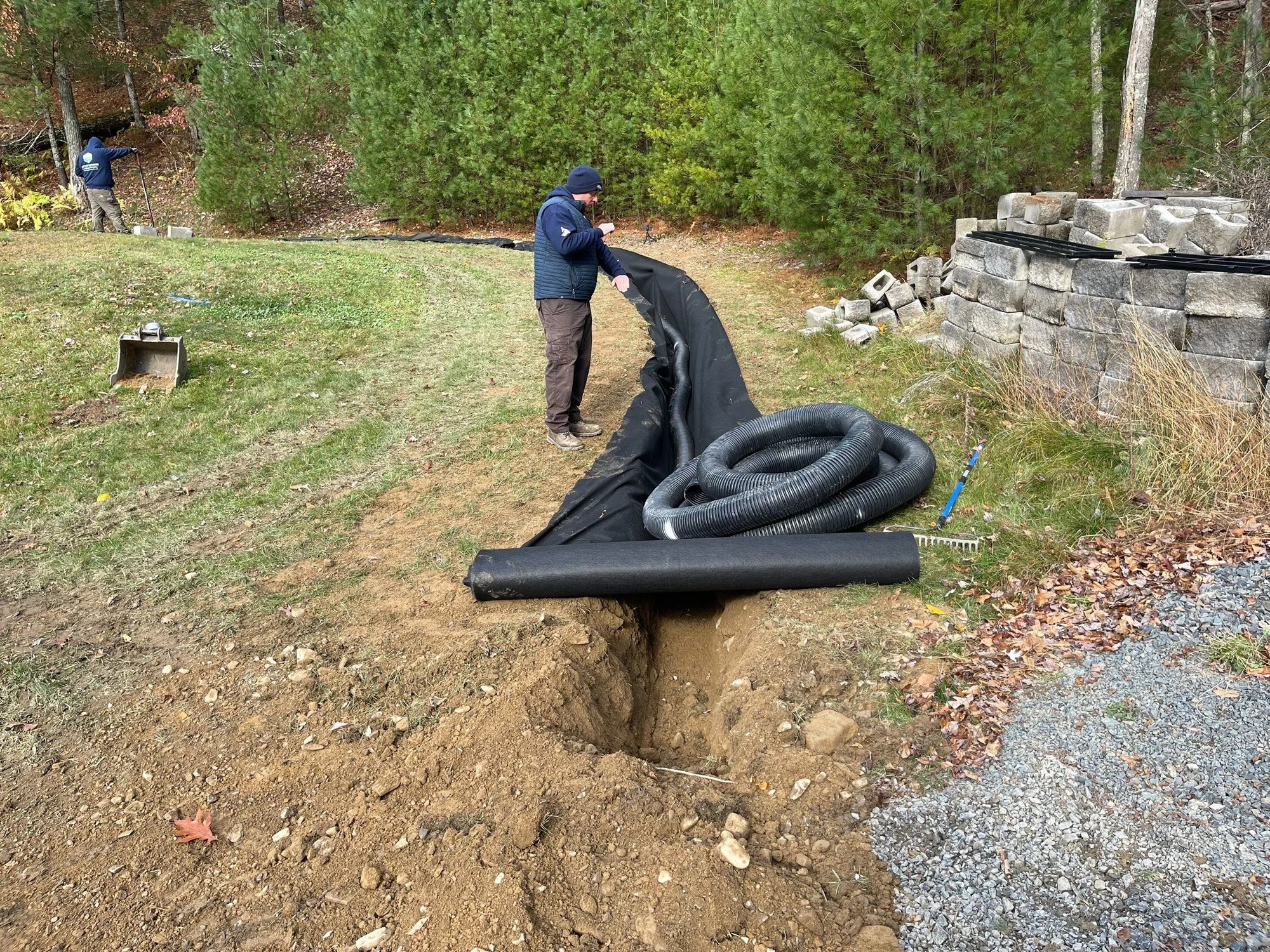
Proper stormwater management often requires a layered approach:
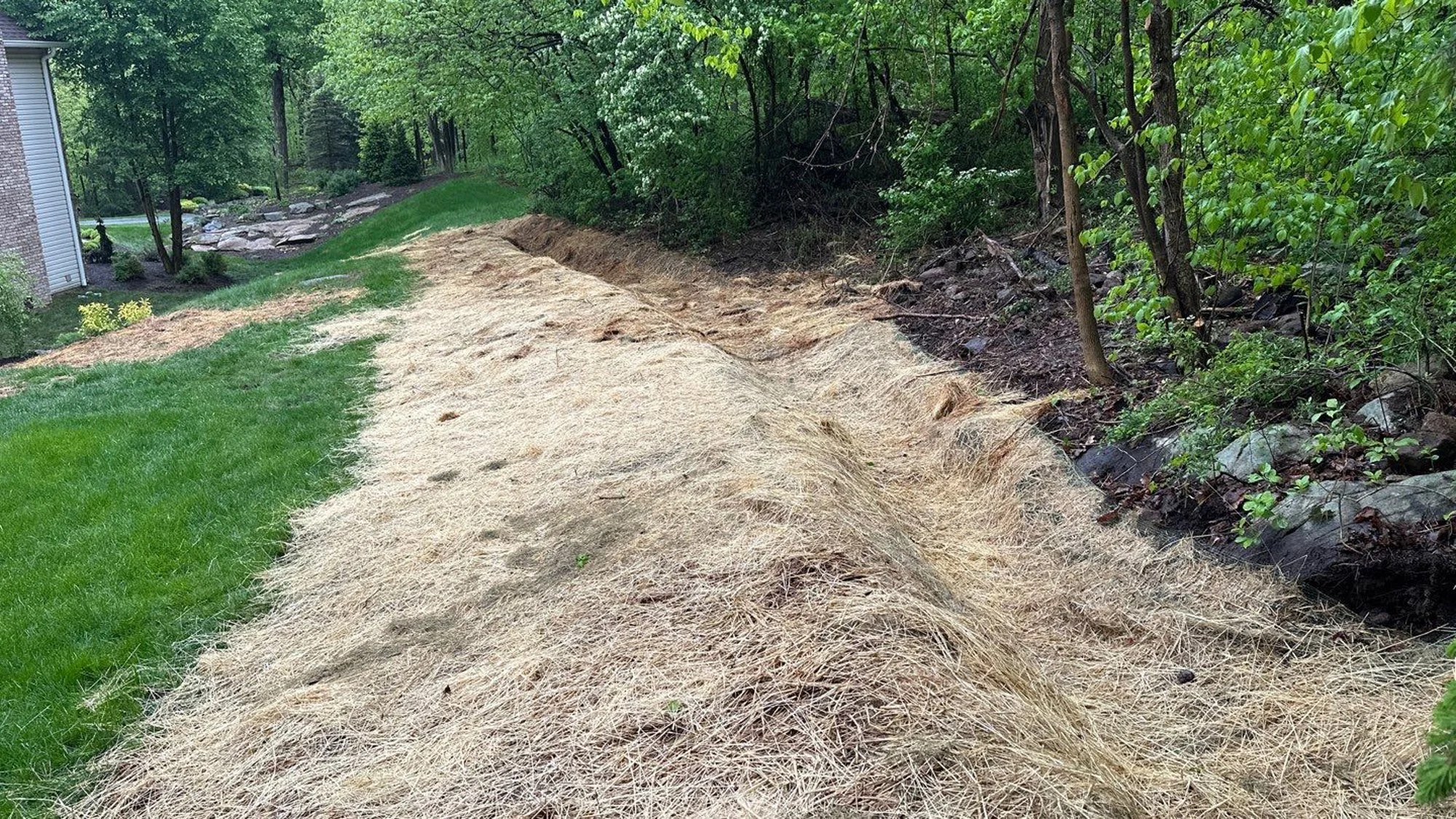
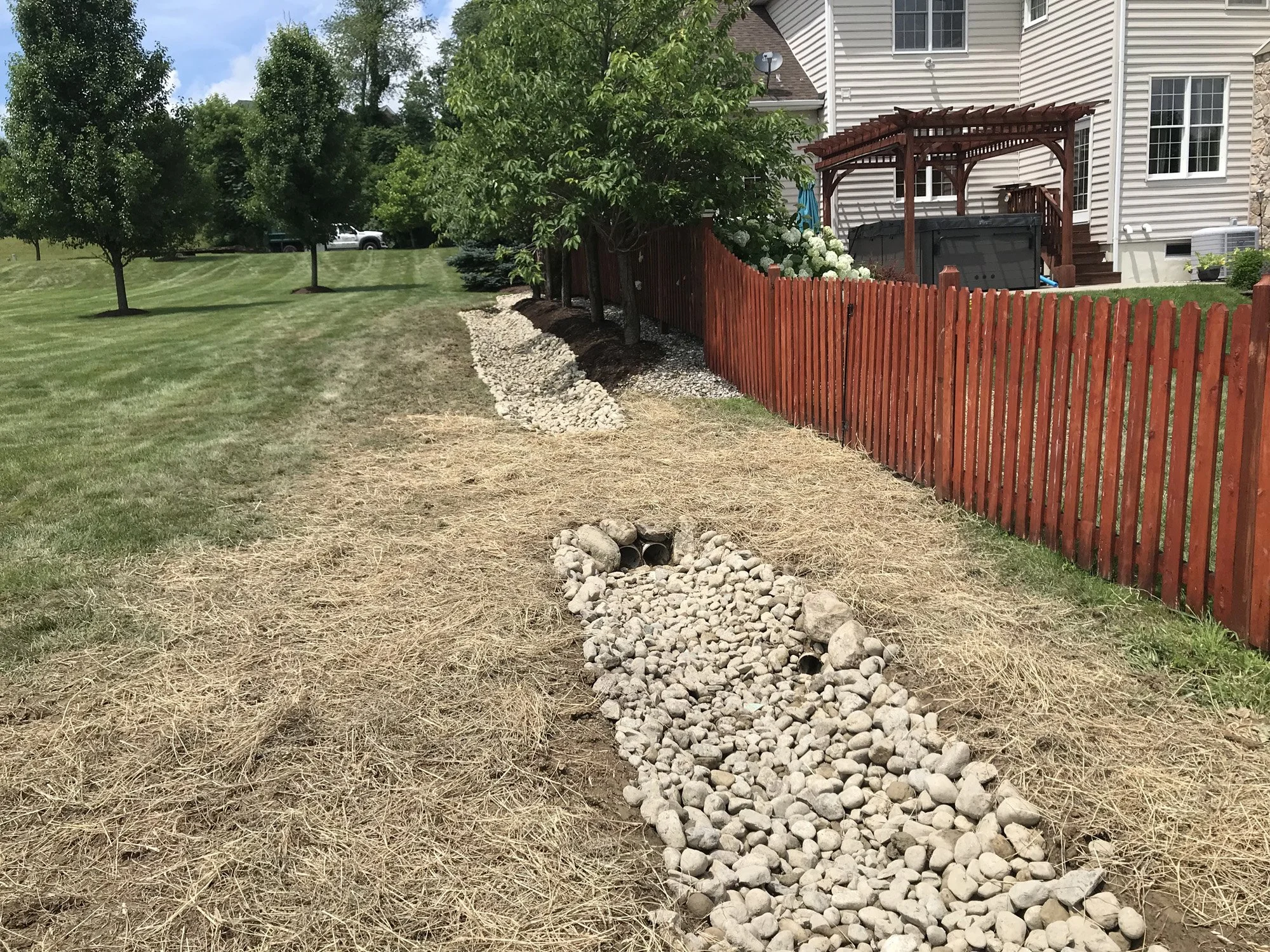
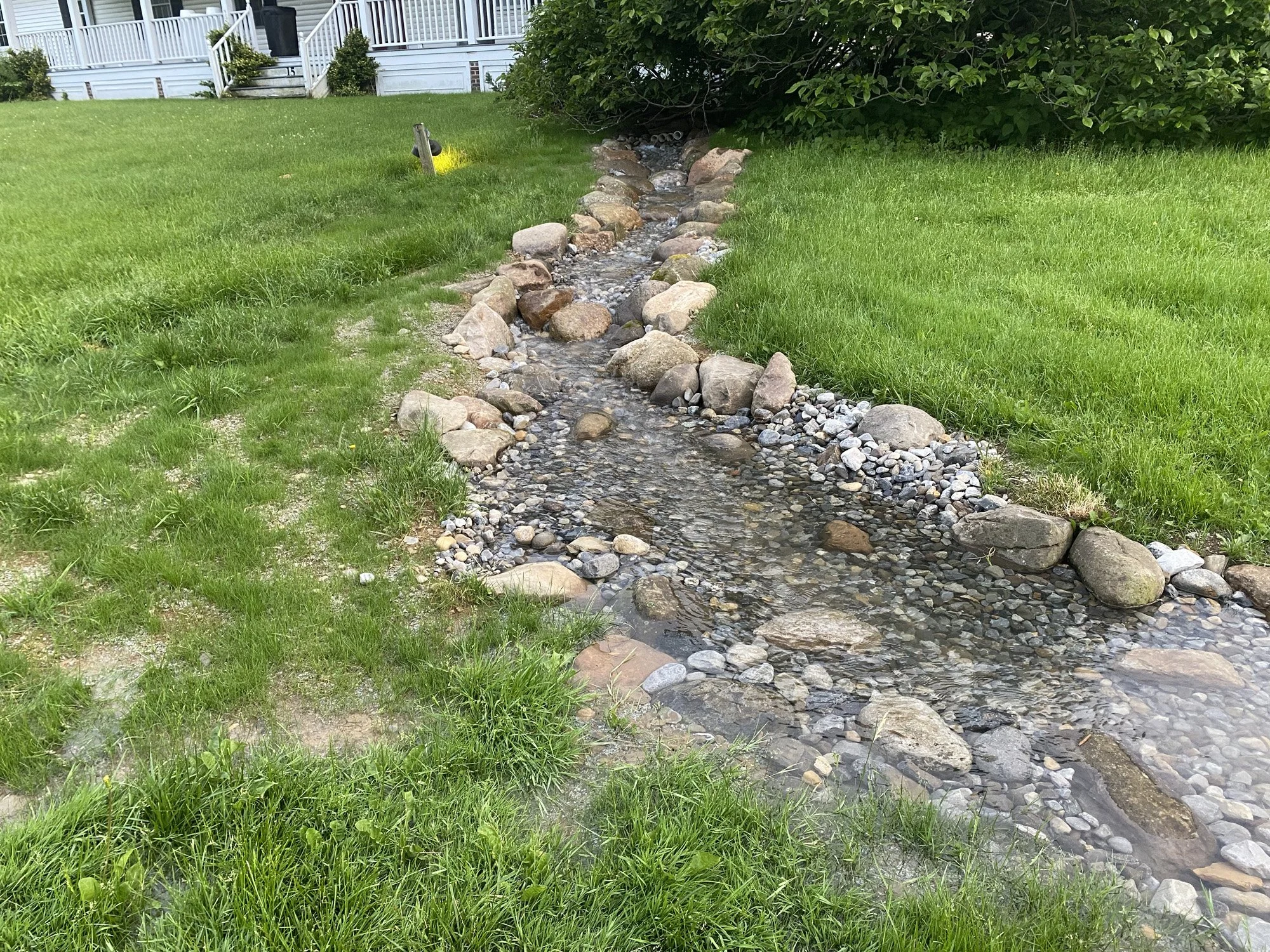
Swales
Move large volumes of surface water safely down to lower areas
French Drains
Manage subsurface water flow
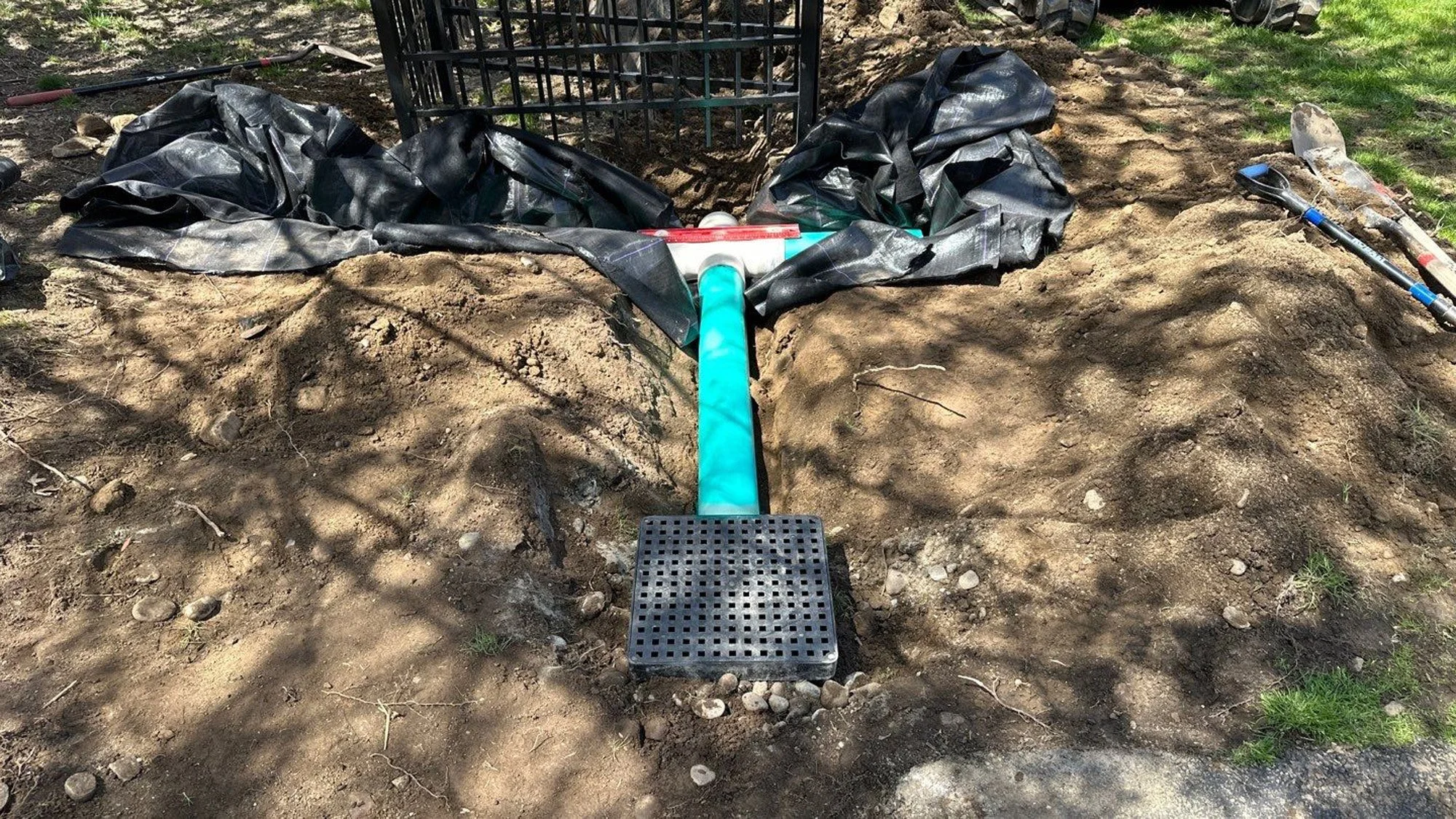
Catch Basins
Collect runoff before damage occurs
Culvert Pipes
Handle high-flow driveway crossings
Gutter Drains
Keep roof water away from foundations
Swales, in particular, are extremely effective during snow melt because they can carry a tremendous amount of water down to lower areas of your property without relying solely on buried pipes.
Winter Isn't Ideal for Repairs—but It Is Ideal for Observation
Winter is usually not the best time to fix drainage systems due to snowpack, ice, and frozen ground. However, it is one of the best times to identify problems.
- Locate the ends of existing drain pipes and make sure they are not blocked by ice, debris, mulch, or snow
- Watch where water flows—or backs up—during melting and rain events
- Take photos and videos of pooling water, erosion, or overflow
- Note which areas stay wet the longest after a melt
- Document any basement moisture or crawl space issues
Creating a simple checklist with visual documentation makes it far easier for a contractor to understand what's happening on your property under real-world conditions.
Plan the Fix for Better Digging Conditions
Armed with good documentation, the smart move is to schedule repairs or upgrades during optimal digging conditions: late spring, summer, or early fall (before winter returns).
Addressing stormwater issues before the snow flies is one of the most important steps you can take to prevent repeat damage the following spring.
Camera Inspections: A Game Changer for Existing Systems
If you suspect blocked, cracked, or failing underground pipes, consider hiring a company with a drainage camera inspection system.
- A camera that can travel through the pipe
- A locator that pinpoints the exact location of issues underground
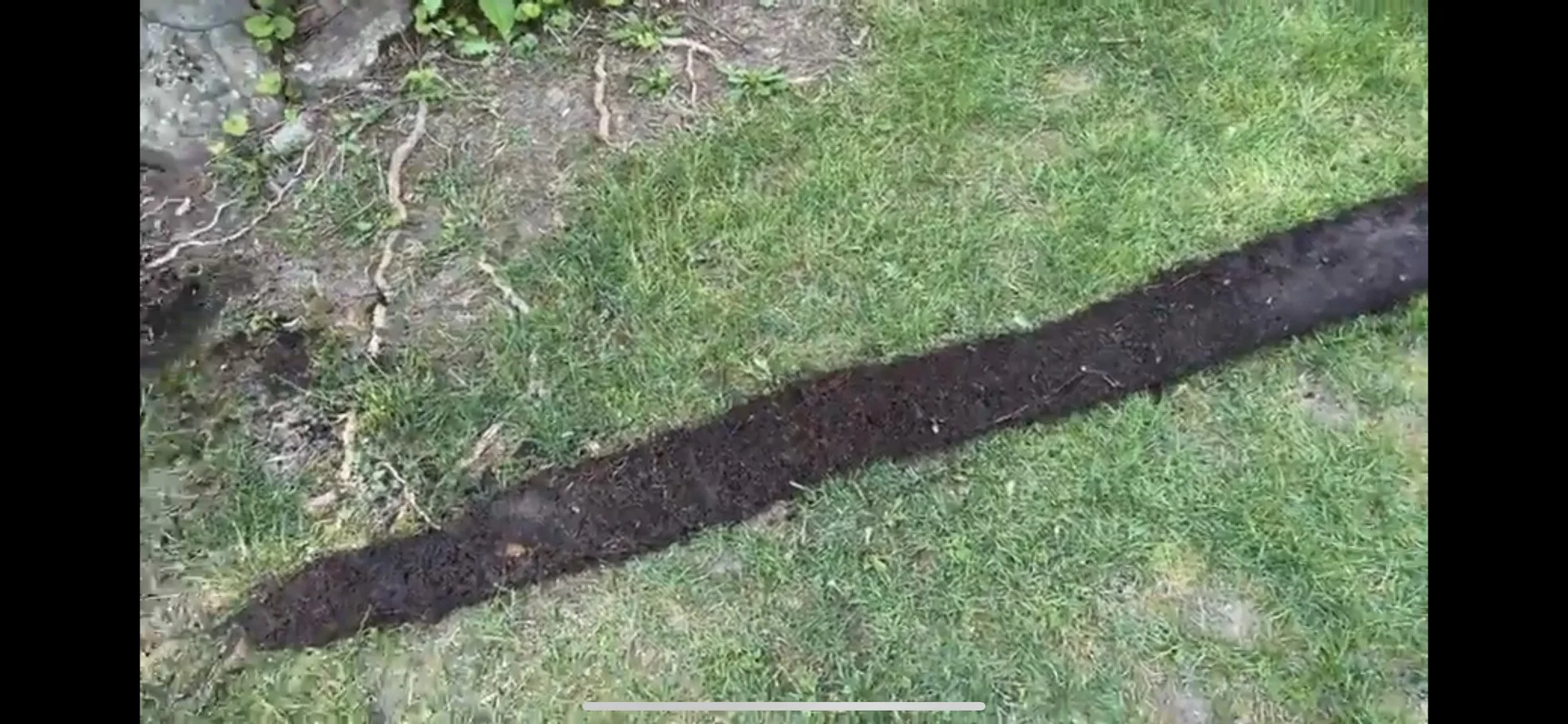
We've seen pipes fail due to soil settlement causing sagging or "bellies," cracked or collapsed sections, and tree roots traveling long distances in search of water.
In fact, we've removed 20-foot-long root systems that caused 100% blockages, forcing water back toward homes and hardscapes. With a camera and locator, problem areas can be marked, flagged, and repaired precisely—without unnecessary excavation.
The Bottom Line
Snow on the ground isn't the real threat—what happens when it melts is. When deep snowpack meets heavy rain, weak or undersized drainage systems fail fast.
At Auburn Sky Landscaping, we design and correct drainage systems with real conditions in mind: snow melt, heavy rainfall, slopes, soil behavior, and long-term performance.
Plan now. Document now. Fix it right—before next winter turns into next spring's disaster.
Ready to Start Your Drainage Project?
Send us photos of your property and we'll schedule a phone consultation to discuss your drainage concerns and options.
Schedule Your Phone Consultation